READ: WHO reports on drinking water safety (part 1)

READ: WHO reports on drinking water safety (part 1)

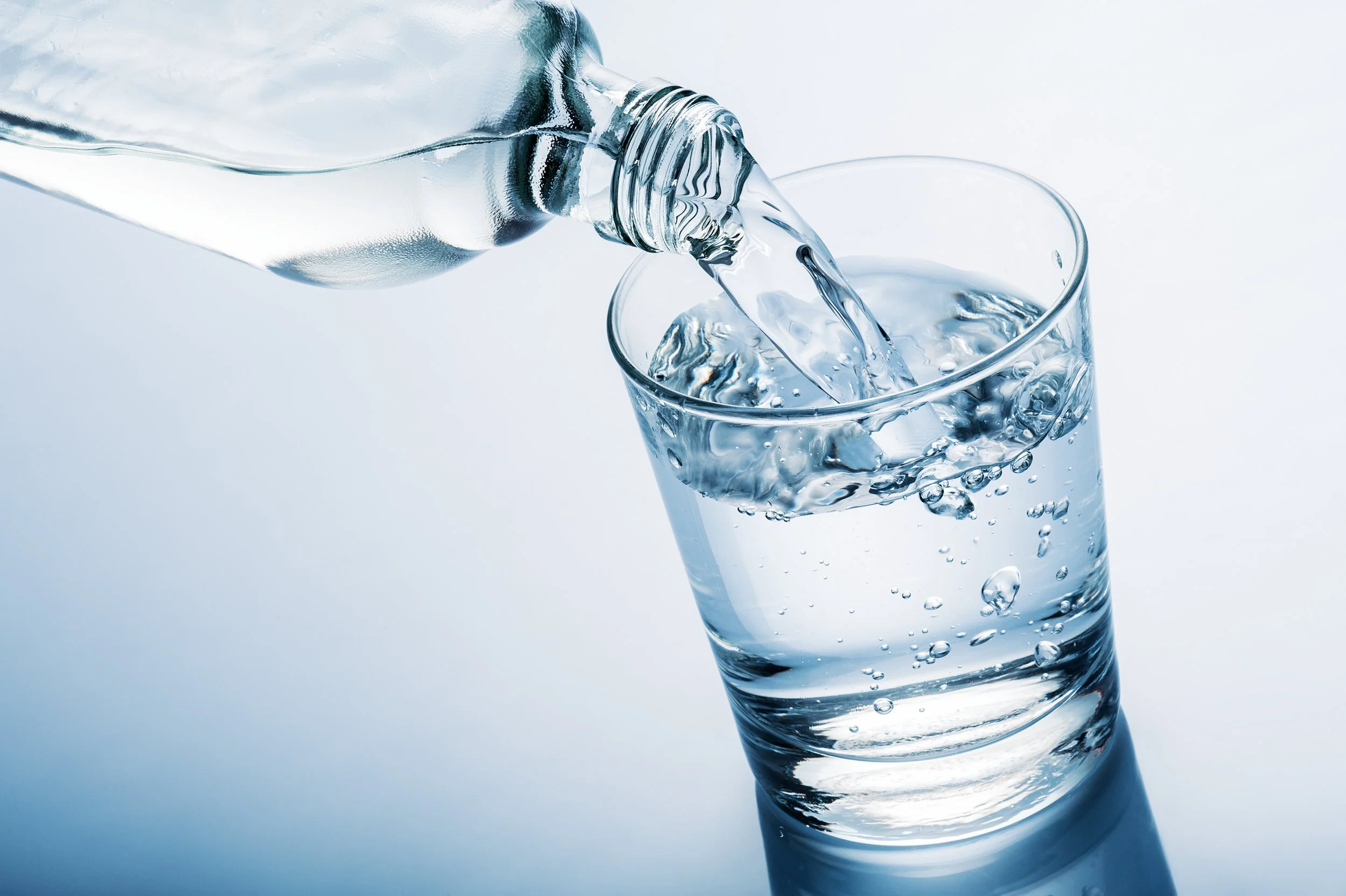
(4 RC) - This report deals with safe water supply extending from source to consumer, including plumbed-in devices, domestic and building environments, and water supplied in bottles or packages. The different ways in which drinking-water may be used in the home are considered, and specific concerns in higher-risk settings and populations at increased risk are addressed. … (WHO, 2003)

Read More

READ: EPA updates its Indoor airPlus program

READ: EPA updates its Indoor airPlus program

(4 RC) - EPA regularly receives partner questions and comments regarding various aspects of the Indoor airPLUS program requirements. This Policy Record format will be used to provide regular updates on the resolution of future issues, including changes to program requirements and clarifications or refinements to the specifications. The primary purpose of this document is to allow stakeholders equal access to the latest policy issues and resolutions. This document also serves as an official program update… (EPA, Dec 2021)

Read More

READ: NIOSH Standard: Occupational Exposure to Diacetyl and Pentanedione

READ: NIOSH Standard: Occupational Exposure to Diacetyl and Pentanedione

(2 RC) - This chapter discusses available sampling and analytical techniques for monitoring diacetyl and pentanedione vapor in the workplace; techniques for measuring diace-tyl and pentanedione in airborne dust and bulk materials; real-time techniques for measuring relevant airborne analytes and other flavoring compounds; and results of some occupational exposure assessments by NIOSH and others of facilities that use diacetyl andpentanedione… (NIOSH Standard, Oct 2016)

Read More

READ: NIOSH Analyses FTIR Instrument for Respirable Crystalline Silica (II)

READ: NIOSH Analyses FTIR Instrument  for Respirable Crystalline Silica (II)

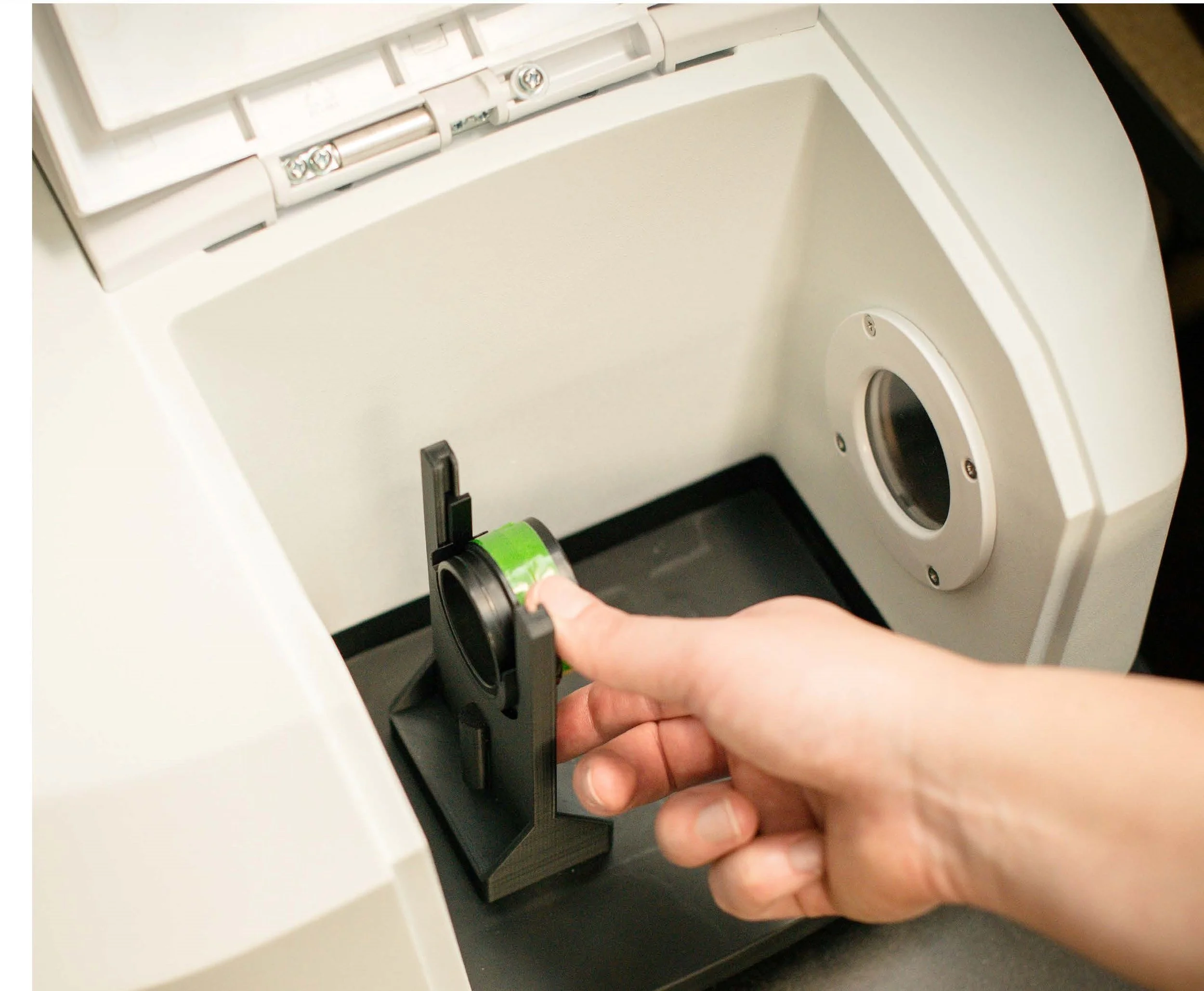
(4 RC) - This document details how to implement field-based monitoring for RCS. It is primarily intended for industrial hygienists and other workers with health and safety responsibilities, specifically within the mining industry (although workers in other industries may also find it useful). The document has been written for a user with experience in respirable dust or RCS exposure assessment but who does not necessarily have specialized training in analytical techniques… (NIOSH, Jan 2022)

Read More

READ: NIOSH specifies best practices for dust control in coal mining (part 3)

READ: NIOSH specifies best practices for dust control in coal mining (part 3)

(4 RC) - Respirable dust can be inhaled into the gas exchange region of the lungs and has long been known to be a serious health threat to workers in many industries. In coal mining, overexposure to respirable coal mine dust can lead to coal workers’ pneumoconiosis (CWP), commonly known as black lung. CWP is a lung disease that can be disabling and fatal in its most severe form, progressive massive fibrosis. In addition, miners can be exposed to high levels of respirable silica dust… (NIOSH, Aug 2021)

Read More

READ: NIOSH specifies best practices for dust control in coal mining (Part 2)

READ: NIOSH specifies best practices for dust control in coal mining (Part 2)

(4 RC) - Respirable dust can be inhaled into the gas exchange region of the lungs and has long been known to be a serious health threat to workers in many industries. In coal mining, overexposure to respirable coal mine dust can lead to coal workers’ pneumoconiosis (CWP), commonly known as black lung. CWP is a lung disease that can be disabling and fatal in its most severe form, progressive massive fibrosis. In addition, miners can be exposed to high levels of respirable silica dust… (NIOSH, Aug 2021)

Read More

READ: NIOSH specifies best practices for dust control in coal mining (Part 1)

READ: NIOSH specifies best practices for dust control in coal mining (Part 1)

(4 RC) - Respirable dust can be inhaled into the gas exchange region of the lungs and has long been known to be a serious health threat to workers in many industries. In coal mining, overexposure to respirable coal mine dust can lead to coal workers’ pneumoconiosis (CWP), commonly known as black lung. CWP is a lung disease that can be disabling and fatal in its most severe form, progressive massive fibrosis. In addition, miners can be exposed to high levels of respirable silica dust… (NIOSH, Aug 2021)

Read More

READ: NIOSH Analyses FTIR Instrument for Respirable Crystalline Silica (I)

READ: NIOSH Analyses FTIR Instrument for Respirable Crystalline Silica (I)

(4 RC) - This document details how to implement field-based monitoring for RCS. It is primarily intended for industrial hygienists and other workers with health and safety responsibilities, specifically within the mining industry (although workers in other industries may also find it useful). The document has been written for a user with experience in respirable dust or RCS exposure assessment but who does not necessarily have specialized training in analytical techniques… (NIOSH, Jan 2022)

Read More

READ: NIOSH investigates lead exposure at Ohio police department

READ: NIOSH investigates lead exposure at Ohio police department

(3 RC) - The Health Hazard Evaluation Program received a request from employees at a police department in Ohio. The request concerned lead exposures in and around the firing range, a history of water intrusion and mold growth on the ceiling tiles in the juvenile office, and lack of ventilation in the property room where illicit drugs were stored. We made two site visits to the police department to evaluate exposures, work conditions, and employee health concerns… (NIOSH HEE, July 2013)

Read More

READ: NIOSH investigates officer exposures inside a drug vault

READ: NIOSH investigates officer exposures inside a drug vault

(4 RC) - In November 2009, NIOSH received an HHE request from a police department in Kentucky. The request concerned possible health effects from working inside a vault used to store drug evidence, including marijuana, cocaine, methamphetamine, and oxycodone. We conducted evaluations in December 2009 and July 2010… (NIOSH, July 2011)

Read More

READ: WHO Summarizes School Environment Policies (Part 2)

READ: WHO Summarizes School Environment Policies (Part 2)

(4 RC) - This report includes a summary of existing policies on providing healthy environments in schools and kindergartens, an overview of environmental risk factors in schools, information on design, methods and results of selected recently conducted exposure assessment surveys and a summary of pupils’ exposures to major environmental factors, such as selected indoor air pollutants, mold and dampness and poor ventilation in classrooms, sanitation and hygiene problems, smoking and the use of various modes of transportation to school… (WHO, Jan 2015)

Read More

READ: WHO Summarizes School Environment Policies (part 1)

READ: WHO Summarizes School Environment Policies (part 1)

(4 RC) - This report includes a summary of existing policies on providing healthy environments in schools and kindergartens, an overview of environmental risk factors in schools, information on design, methods and results of selected recently conducted exposure assessment surveys and a summary of pupils’ exposures to major environmental factors, such as selected indoor air pollutants, mold and dampness and poor ventilation in classrooms, sanitation and hygiene problems, smoking and the use of various modes of transportation to school… (WHO, Jan 2015)

Read More

READ: WHO publishes guidance on indoor chemical sampling

READ: WHO publishes guidance on indoor chemical sampling

(4 RC) - Indoor air contains a wide variety of chemical compounds. Some of these compounds, including volatile organic compounds (VOCs), originate mainly from indoor sources such as paints, building products, furnishings, glues, varnishes, and consumer and household products. Other pollutants, such as nitrogen dioxide (NO2) and ozone (O3), are classical pollutants of outdoor air that penetrate indoor environments in different ways in additional to releases from indoor sources… (WHO, Jan 2020)

Read More

READ: WI Health Department Investigates Indoor Mercury

READ: WI Health Department Investigates Indoor Mercury

(1 RC) - In response to a request from a health care provider about a patient and husband with elevated mercury levels in blood and urine and related health symptoms, the Wisconsin Division of Public Health investigated for mercury contamination in their west-central Wisconsin house. DPH inspected the house and tested for mercury vapors and found high mercury levels associated with adverse health effects. The U.S. Environmental Protection Agency cleaned up elemental mercury at the affected house… (ASTDR, July 2009)

Read More

READ: Wisconsin evaluates polyurethane on gym floors

READ: Wisconsin evaluates polyurethane on gym floors

(1 RC) - Milwaukee Public Schools requested assistance from the Wisconsin Department of Health Services, to evaluate potential health concerns associated with mercury-catalyzed polyurethane flooring in the gymnasium of South Division High School, Milwaukee, Wisconsin. The intent of this health consultation is to characterize and assess the human health implications of elemental mercury vapor levels in the air of the SDHS gym… (ASTDR, Dec 2010)

Read More

READ: CDC Evaluates Indoor Air Sampling Methods

READ: CDC Evaluates Indoor Air Sampling Methods

(2 RC) - A soil­ gas data screening indicates that 1,4­ dioxane is a concern for vapor intrusion in a WI building occupied by workers and children. As 1,4­dioxane is highly soluble in water, it is possible that its presence in soil­ gas samples indicates the leading edge of the groundwater plume may be approaching the building. A complete indoor air investigation of the WI is necessary to evaluate the potential for current exposures… (ASTDR)

Read More

READ: Survey of Laws on Cannabis Smoking Indoors

READ: Survey of Laws on Cannabis Smoking Indoors

(1 RC) - Secondhand cannabis smoke, like secondhand tobacco smoke, creates unhealthy indoor air quality. Ventilation and engineering techniques cannot reduce this pollution to healthy levels, and complete smoke-free policies are the only way to provide healthy indoor environments. Even so, multiple state and local governments have begun to allow indoor smoking of cannabis in businesses… (AJPM, Aug 2021)

Read More

READ: CDC MMWR - National Toxic Substances Incidents Program

READ: CDC MMWR - National Toxic Substances Incidents Program

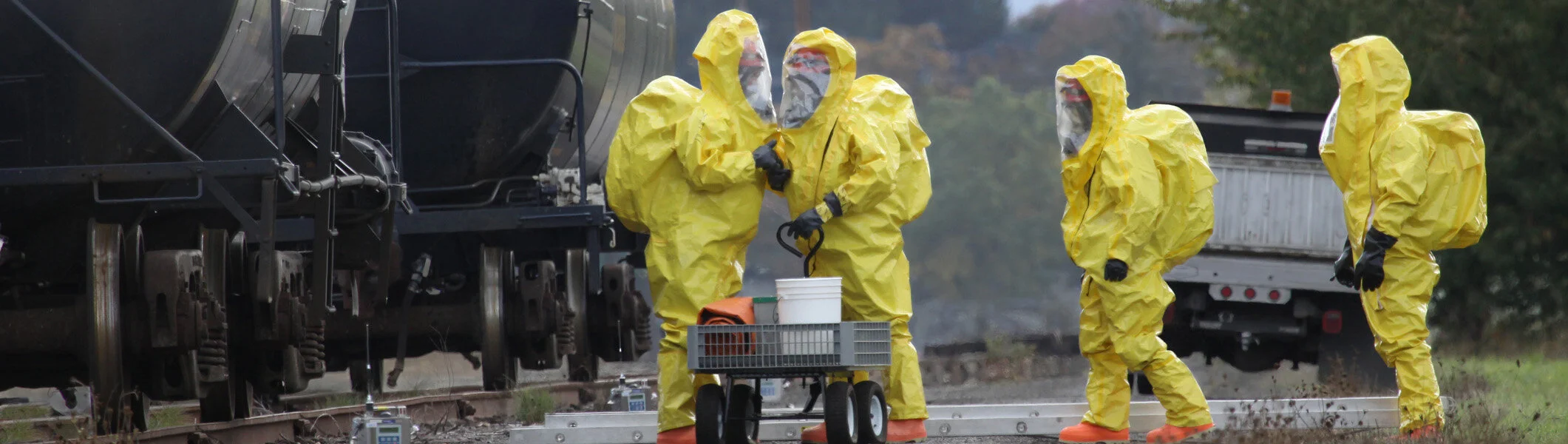
(1 RC) - Every year in the United States, thousands of toxic substance incidents harm workers, first responders, and the public with the potential for catastrophic consequences. Surveillance data enable public health and safety professionals to understand the patterns and causes of these incidents, which can improve prevention efforts and preparation for future incidents… (CDC, Mar 2020)

Read More

READ: CDC - Principles of Biosafety

READ: CDC - Principles of Biosafety

(3 RC) - A fundamental objective of any biosafety program is the containment of potentially hazardous biological agents and toxins. The term containment describes a combination of primary and secondary barriers, facility practices and procedures, and other safety equipment, including personal protective equipment (PPE), for managing the risks associated with handling and storing hazardous biological agents and toxins in a laboratory environment… (Biosafety in Microbiological and Biomedical Laboratories, Jun 2020)

Read More

READ: Principles of Pediatric Environmental Health

READ: Principles of Pediatric Environmental Health

(4 RC) - Environmental factors play a large role in children’s health. According to the World Health Organization, more than 30% of the global burden of disease in children is due to environmental factors. Children’s growth and development are dynamic processes; they can be viewed at the molecular, cellular, organ, and whole-child levels. What determines the nature and severity of environmental factors’ health effects is exposure occurrence within the different developmental stages… (ATSDR, Feb 2012)

Read More