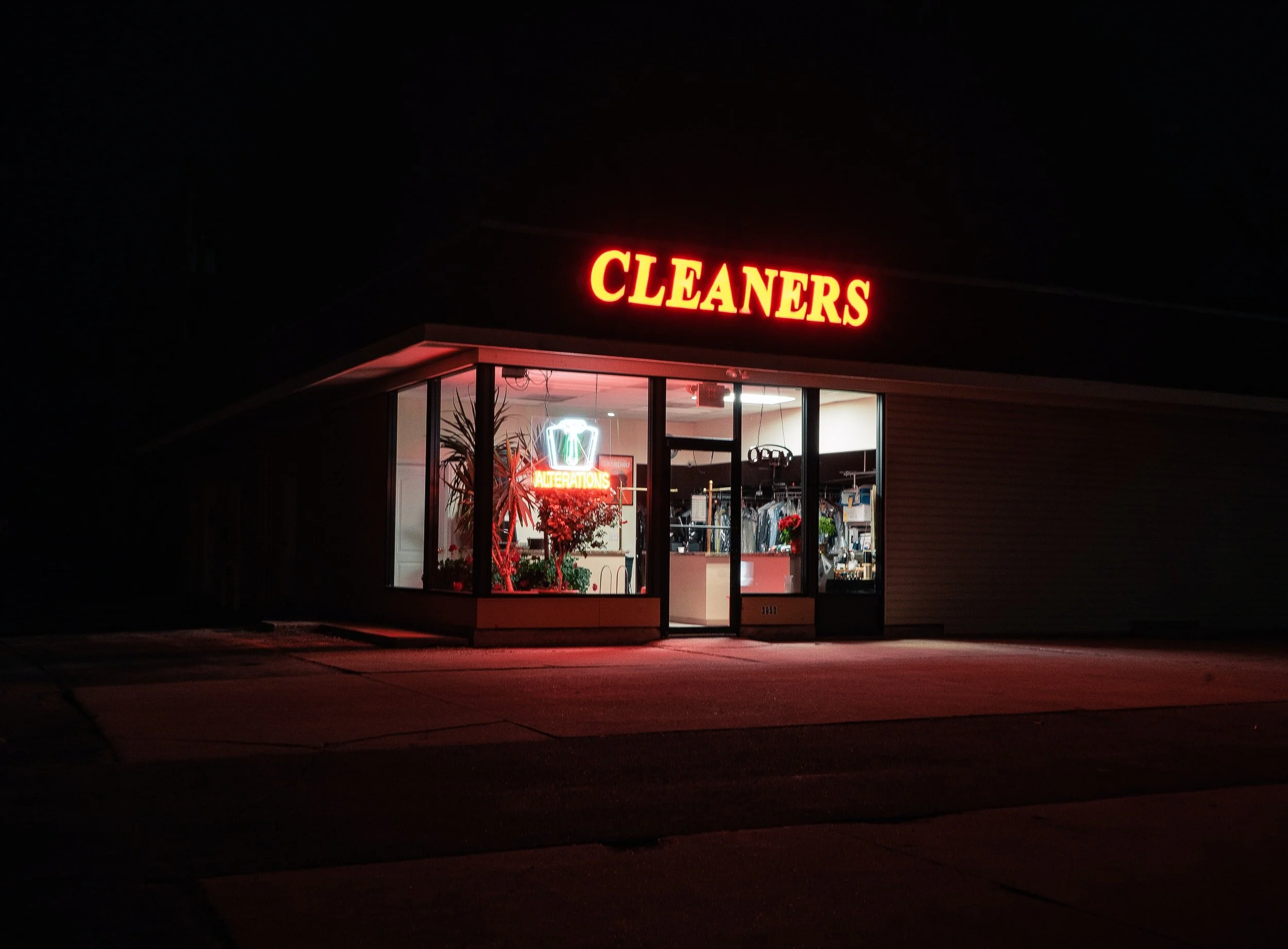
READ: EPA - FAQ about Dry Cleaning

READ: EPA - FAQ about Dry Cleaning

(1 RC) - This informational document, provided by the Environment Protection Agency (EPA), catalogs and answers frequently asked questions concerning the dry cleaning industry's effects on the environment. Most of the questions pertain to perc, the dominant chemical solvent used in dry cleaning, which is considered an environmental pollutant as well as a potential health hazard.

Read More

READ: Survey of the Use of Ozone-generating Air Cleaners by the California Public

READ: Survey of the Use of Ozone-generating Air Cleaners by the California Public

(4 RC) - This survey reports on the purchase and use of ozone-producing indoor air cleaners, the effects of which contribute to air-pollution which can cause many respiratory issues, particularly among the elderly. The information obtained is of immediate use for addressing the impact of air cleaners on Californians’ health and to guide future exposure and risk reduction approaches by the California Air Resources Board.

Read More

READ: Standard of Care for the New Hampshire Mold Industry, A Guide for Citizens Affected by Mold and Moisture in New Hampshire Buildings.

READ: Standard of Care for the New Hampshire Mold Industry, A Guide for Citizens Affected by Mold and Moisture in New Hampshire Buildings.

(2 RC) - In response to there being no laws in place to protect the citizens of NH from mold and poor indoor air quality, a group of New Hampshire Legislators, business leaders, and heath administrators wrote this standard for NH citizens as a guide for the NH Mold Industry. The goal of this Standard of Care is to provide information to the citizens of NH not only about the causes of indoor mold, the possible health risks, and prevention measures, but also about the Mold Industry in general, including best practices and tips for hiring consultants and contractors .

Read More

READ: OSHA - Reducing Worker Exposure to Perchloroethylene in Dry Cleaning.

READ: OSHA - Reducing Worker Exposure to Perchloroethylene in Dry Cleaning.

(3 RC) - This document offers guidance that helps dry-cleaning establishments reduce employee exposures to perchloroethylene. It discusses the health hazards of perc exposure, lists the current regulations concerning the handling of perc, and offers guidance for proper PPE, work practices, and training. Additional information including the recommended maintenance schedule for dry-cleaning machines and the international chemical safety card for tetrachloroethylene is listed in the appendices.

Read More

READ: AIHA - White Paper on Corrosive Drywall.

READ: AIHA - White Paper on Corrosive Drywall.

(3 RC) - Contaminated drywall imported from China has been found to emit sulfide vapors, impacting the air quality in tens of thousands of homes as well as in larger buildings. In this White Paper, AIHA summarizes the available science and identifies critical gaps in the current understanding of the problem that must be addressed. This report covers the means of recognizing the markers of corrosive dry wall (CDW) as well as the necessary information for remediation.

Read More

READ: OSHA - Guidance on Preparing Workplaces for an Influenza Pandemic.

READ: OSHA - Guidance on Preparing Workplaces for an Influenza Pandemic.

(4 RC) - This document guides employers in crafting a contingency plan for the event of a global outbreak of influenza. Identifying the difference between seasonal, pandemic, and avian influenza, the document describes the proper planning that allows employers in the public and private sectors to better protect their employees and lessen the impact of a pandemic influenza on society and the economy. The document offers guidance based upon traditional infection control and industrial hygiene practices.

Read More

READ: MMWR - Guidelines for Environmental Infection Control in Health-care Facilities.

READ: MMWR - Guidelines for Environmental Infection Control in Health-care Facilities.

(4 RC) - Due to some negative reports from patients and medical practitioners experiencing health problems from their medical environment, the MMWR presents certain guidelines for environmental control to minimize the risk of exposure to bacteria and pathogens. This report reviews previous guidelines and strategies for preventing environment-associated infections in health-care facilities and offers recommendations.

Read More

READ: OSHA - Do You Have Work-Related Asthma?

READ: OSHA - Do You Have Work-Related Asthma?

(1 RC) - This document presents the symptoms of asthma and the possible means of dealing with it in order to provide information for workers who have developed respiratory problems due to their work environment. The brief includes the most common causes of work-related asthma, typically exposure to a group of chemicals called isocyanates, as well as listing jobs in which exposure to such negative chemicals often occurs. Also included are resources and guides for clinics to aid both the patient and the doctor in handling the effects of chemical exposure.

Read More