READ: OSHA - Indoor Air Quality in Commercial and Institutional Buildings.

READ: OSHA - Indoor Air Quality in Commercial and Institutional Buildings.

(2 RC) - This document provides practical recommendations that will help prevent, minimize, or resolve IAQ problems in commercial and institutional buildings. It discusses a range of topics related to IAQ management, including the control of airborne pollutants, the introduction and distribution of adequate make-up air, and the maintenance of an acceptable temperature and relative humidity. This document is directed primarily at employers, building owners and managers, and others responsible for building maintenance, but may also be used as a basic reference for all those involved in IAQ issues.

Read More

READ: OSHA - Compliance Guidance for Funeral Homes.

READ: OSHA - Compliance Guidance for Funeral Homes.

(2 RC) - This document summarizes three OSHA standards related to funeral home maintenance. The standards presented are OSHA’s formaldehyde standard, its bloodborne pathogens standard, and its chemical hazard communication standard. The document offers guidance for compliance to the OSHA standards.

Read More

READ: OSHA - West Nile Virus

READ: OSHA - West Nile Virus

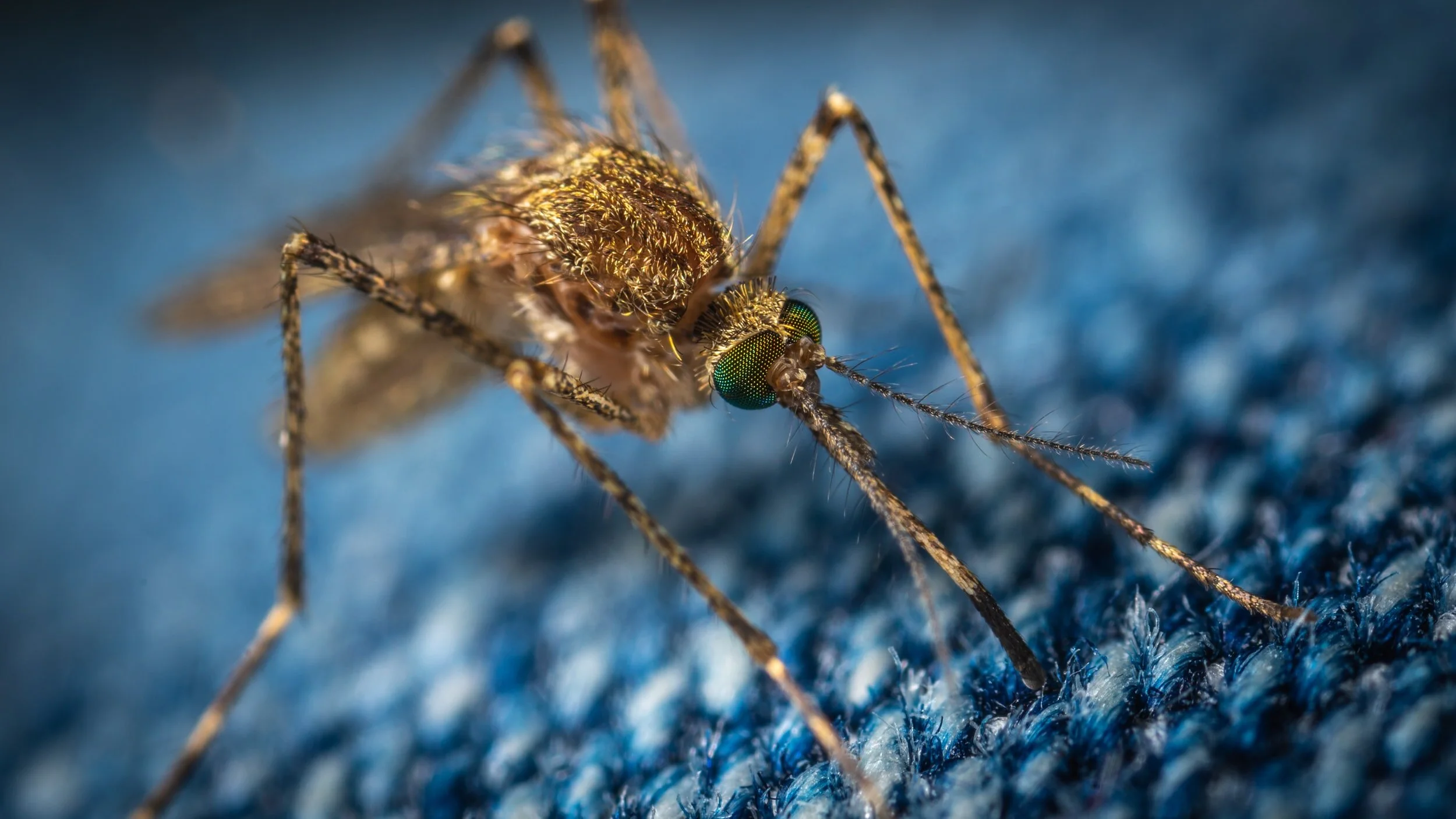
(1 RC) - This fact sheet aims to educate employers and workers about the West Nile virus and to offer ways to reduce the risks of infection. It includes information concerning the ways the virus spreads (particularly through mosquitoes), signs and symptoms of infection, the risks it presents to outdoor workers especially, and specific protective measures which employers and workers can adopt to avoid the illness.

Read More

READ: OSHA - Ebola.

READ: OSHA - Ebola.

(1 RC) - This pair of fact sheets informs the reader about Ebola virus. The first sheet discusses the spread of Ebola and the safe handling and transport of contaminated materials. In addition, it provides infection control guidelines for waste workers. The second sheet provides a PPE selection matrix which offers guidance for occupational exposure to Ebola.

Read More

READ: OSHA Methods, Collection 1.

READ: OSHA Methods, Collection 1.

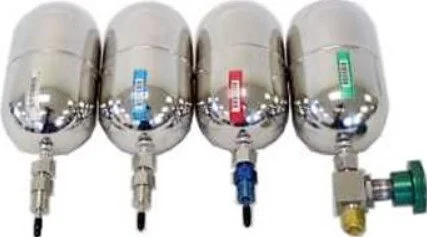
(4 RC) - This collection of three procedure methods informs the reader on a range of topics. The first method explores data from an evaluation of the performance of silica-infused, stainless steel canisters in chemical sampling and analysis. The second method describes the sample collection and analysis of airborne ozone. The third method describes the passive monitor collection of airborne formaldehyde in the breathing zone of workplace personnel and the subsequent analysis of those samples using a colorimetric technique.

Read More

READ: OSHA - Proposed Crystalline Silica Rule, General Industry and Maritime.

READ: OSHA - Proposed Crystalline Silica Rule, General Industry and Maritime.

(1 RC) - This document aims to inform the reader of the respiratory hazards of crystalline silica and to propose two new protective standards, one for general industry and maritime, and the other for construction. The fact sheet explains the routes of exposure and the negative effects of crystalline silica on respiratory health. The chief end of this document is to present the necessary means for employers to tailor their work environment protect their employees.

Read More

READ: OAR - An Office Building Occupant's Guide to Indoor Air Quality.

READ: OAR - An Office Building Occupant's Guide to Indoor Air Quality.

(1 RC) - This guide is intended to help people who work in office buildings learn about the factors that contribute to indoor air quality and comfort problems and the roles of building managers and occupants in maintaining a good indoor environment. This guide offers general guidelines for the cultivation of Indoor Air Quality. It discusses the importance of Indoor Air Quality, the factors that contribute to Indoor Air Quality, the management of pollutant sources, as well as the design, maintenance, and operation of building ventilation systems.

Read More

READ: CDC, NIOSH - Respirator Selection Logic (2004).

READ: CDC, NIOSH - Respirator Selection Logic (2004).

(4 RC) - This document provides a series of questions that assists the user in his selection of the appropriate respiration protection. In addition, the document identifies the criteria necessary to determine the classes of respirators that will provide the minimum acceptable degree of protection for a chemical at a given concentration.

Read More

READ: NADCA - Position Paper on Chemical Product Applications in HVAC Systems.

READ: NADCA - Position Paper on Chemical Product Applications in HVAC Systems.

(1 RC) - This paper gives the reader access to NADCA's opinion concerning the use of chemicals, cleaners, sealants, and coatings inside airhandling systems. The paper defines certain products and then offers guidelines for their best use and application. Specific products duscussed include antimicrobial pesticides, sealants, resurfacing materials, and coil cleaning compounds as well as soaps, detergents, degreasers, and deodorizers.

Read More

READ: EPA - Voluntary Guidelines for Methamphetamine Laboratory Cleanup.

READ: EPA - Voluntary Guidelines for Methamphetamine Laboratory Cleanup.

(4 RC) - This guideline begins with an overview of the background information on quantitative meth remediation standards from across the United States. Next, it presents users with a possible sequence of remediation activities from securing a site to delivering a final report. The document then offers techniques for the cleaning of specific items and materials found within a former meth lab (e.g., walls, fl oors, appliances, electronics, fabrics, toys). Finally, this document provides detailed information on sampling techniques and methods. Additional information and resources are included in the appendices.

Read More

READ: Personal Protective Equipment

READ: Personal Protective Equipment

(4 RC) - This informational booklet provides a general overview of equipment management in light of OSHA standards for personal protection. This guide will help both employers and employees do the following: Understand the types of PPE (personal protective equipment), know the basics of conducting a "hazard assessment" of the workplace, select appropriate PPE for a variety of circumstances, and understand what kind of training is needed in the proper use and care of PPE.

Read More

READ: Preventing Mold-Related Problems in the Indoor Workplace.

READ: Preventing Mold-Related Problems in the Indoor Workplace.

(4 RC) - This guide provides basic information about mold, mold sources, and building-related illnesses. Brief discussions are included on building design considerations for healthy indoor air, as well as building evaluation and sampling for mold. The purpose of this guide is to help owners, managers, and occupants understand and prevent building-related illnesses associated with mold problems in offices and other indoor workplaces.

Read More

READ: OSHA - What Employers Can Do to Protect Workers from Pandemic Influenza.

READ: OSHA - What Employers Can Do to Protect Workers from Pandemic Influenza.

(4 RC) - This fact sheet details the various types of safety precautions that employers can adopt to prepare for and minimize the hazards of pandemic influenza in the workplace. Types of control measures include engineering and administrative controls, work practices, and protective equipment.

Read More

READ: OSHA - Memorandum for Regional Administrators.

READ: OSHA - Memorandum for Regional Administrators.

(1 RC) - This OSHA special bulletin defines and provides health hazard information on Fluorocarbon 113 which is generally used as a refrigerant, a dry cleaning solvent and an intermediate. After recording several instances of sudden death to to cardiac arrhythmia in the presence of Florocarbon 113, this document provides the necessary information for employers and administrators to implement for their workers' protection.

Read More

READ: Cleaning and Decontamination of Ebola on Surfaces, Guidance for Workers and Employers in Non-Healthcare/Non-Laboratory Settings.

READ: Cleaning and Decontamination of Ebola on Surfaces, Guidance for Workers and Employers in Non-Healthcare/Non-Laboratory Settings.

(1 RC) - Employers must protect their workers from the hazards of Ebola exposure and from the dangerous chemicals used for disinfection and clean up. This document includes the guidelines for workers and employers for disinfection, cleaning, and waste disposal.

Read More